


The investigation examines the rapid accumulation of wealth by Alena Sauchanka, who is linked to Viktar Sheiman, a former senior Belarusian official and one of Lukashenko’s closest associates. In 2005, Sauchanka, who had previously worked as a secretary and had no experience managing large businesses, acquired a 40% stake in the plant Mizhrehiyanalny Drabilna-Sartavalny Zavod, which operated alongside the state-owned Granit enterprise. In less than three years, she became a co-owner of several companies and obtained commercial real estate in central Minsk. She later acquired cottages, retail premises, and a shopping center. The potential monthly income from the identified commercial properties is estimated at around $33,500.
The investigators trace Sauchanka’s connection to Sheiman through her son, Uladzimir. In a passport database, his father is listed as the non-existent Viktar Uladzimiravich Sauchanka, whose first name and patronymic match Sheiman’s. The authors also uncovered records of Sheiman, Sauchanka, and her son traveling together, taking the same flights, visiting the same medical clinic, and Uladzimir’s subsequent contacts with people from Sheiman’s inner circle.
In 2008, Belarus’ Interior Ministry investigated Sauchanka over the use of a forged university diploma and the illegal acquisition of land plots without an auction. Viachaslau Dudkin, the former head of an anti-corruption unit, claimed that an inquiry into the origin of her wealth was halted following Sheiman’s intervention. The investigators found no independent evidence to confirm this claim. However, the case concerning the forged diploma was eventually dropped, while Sauchanka retained the land plots, even though the official who had allocated them was convicted.
This could be the story of a self-made Belarusian businesswoman. In just three years, a secretary with no higher education and a young child became a co-owner of a strategic business and started accumulating expensive real estate. However, BIC journalists discovered facts that made them wonder whether her career rise can be explained by her efforts alone. We discovered that her success may be due in part to her relationship with one of the most influential people in Belarus.
The investigation was made possible thanks to the efforts of Rabochy Ruch, CyberPartisans, and KibOrg.
A granite start
In January 2005, 26-year-old Babruisk native Alena Sauchanka, started working at the privately owned plant Mizhrehiyanalny Drabilna-Sartavalny Zavod (MDSZ). According to information she provided to state authorities, Sauchanka had only previously worked as a secretary at a private company that traded medical equipment. Nine months after starting the job, she became the owner of 40% of the plant.
This was not an ordinary business. The MDSZ was located next to Granit, a state-owned enterprise and one of Europe’s largest producers of crushed stone. Since Soviet times, the plant has been the primary supplier of stone for the construction of roads, housing, and industrial facilities across Belarus. In the mid-2000s, the country faced a construction boom, which caused the demand for crushed stone to exceed the supply.
“There was a shortage of crushed stone. Granit mainly supplied state-owned enterprises, which then delivered the product to various private companies,” a former Granit manager familiar with the MDSZ’s work recalled in a conversation with the BIC. For security reasons, we don’t disclose the name of the source.
He said that the local district executive committee allocated the land for the MDSZ next to the state-owned quarry. The plant was established in 2004 by businessman Mikalai Kruk and his partner. [*] Kruk contributed a hydraulic hammer for an excavator, valued at approximately $30,000, to the authorized capital.
Open sources do not explain how and under what conditions almost half of this business passed to Sauchanka a year later. Her previous experience does not provide a clear answer either. Before joining the MDSZ, Sauchanka was not known as an entrepreneur and had not managed major companies. Her family can be considered influential. In the mid-2000s, her father was the head of the KGB department in the Kastsyukovichy District, and her mother worked at a Russian private company’s representative office. However, this still leaves unanswered the question of how Sauchanka obtained nearly half of a company with access to one of the country’s most sought-after construction resources.
When the BIC asked if someone could have helped this business, the former Granit manager answered yes, but said he did not know who specifically:
“There’s a saying: sometimes it’s better not to know anything. [...] I’d rather not know who sent them there or who helped them.”
The BIC has found no documentary evidence directly confirming that anyone interfered in the transfer of the share to Sauchanka or in the activities of the MDSZ. However, our findings show that she was closely connected with one of the most influential Belarusian officials during this period. The media calls this official the right-hand man of Aleksandr Lukashenko.
A ghost in the passport database
We found a record of Alena Sauchanka’s son, Uladzimir, in state databases. He was born in 2002. At the time, the woman was 24 years old and unmarried. The BIC could not find any information about her employment during that period. An extract from the passport database obtained from CyberPartisans lists her son's father as Viktar Uladzimiravich Sauchanka. However, no such person exists, and the father’s details are not linked to any actual passport recort.
Belarusian journalists have come across similar document schemes before. Thus, Nikolai Lukashenko was registered in the passport database for a long time under his mother’s surname but with his real patronymic. The documents for Mikhail, the presumed son of Hanna Pushkarova and Viktar Sheiman — one of Lukashenko’s closest associates — were issued in the same manner. His records also list a fictitious father: Viktar Uladzimiravich Pushkarou. The first name and patronymic match Viktar Sheiman's personal details, while the surname is the mother's maiden name.
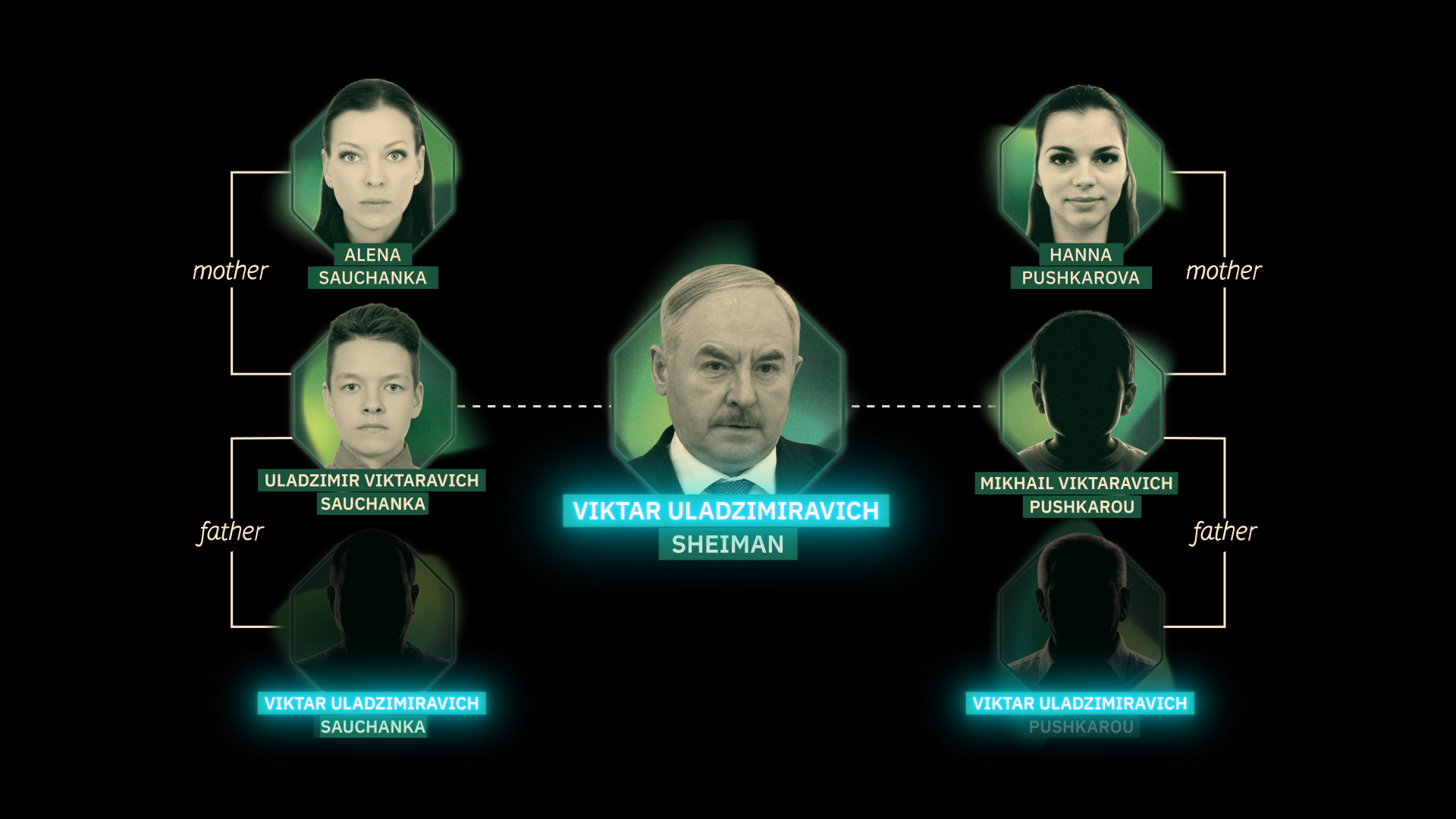
In the case of Uladzimir Sauchanka, the father’s name and patronymic recorded in the database match those of Viktar Sheiman. However, this coincidence alone would not be enough to infer kinship. Therefore, the BIC investigated whether there were other connections between Sheiman, Sauchanka, and her son. And we found them.
In 2009, seven-year-old Uladzimir Sauchanka and his grandmother, Zoya Sauchanka, flew from Minsk to Simferopol on a private plane with Viktar Sheiman and his trusted man, Aliaksandr Ramanouski. Apart from them, only the crew was on board. They returned to Minsk in the same group, again aboard a business jet. That same year, Sheiman, Alena Sauchanka, and her son flew together to the United Arab Emirates. They repeated this route in 2012. In 2021, tickets to Varadero, a resort town in Cuba, were booked in the names of Sheiman, Uladzimir Sauchanka, and Mikhail Pushkarou. Uladzimir’s reservation was canceled later on. He was unable to fly, presumably due to his final exams.
The coincidences didn’t end there. In 2022, Uladzimir Sauchanka and Viktar Sheiman, along with Hanna and Mikhail Pushkarou, took a COVID-19 test at the Republican Clinical Medical Center, also known as the “presidential clinic.” Their test results are registered sequentially in the institution’s database under the numbers 732, 734, 736, and 738. [*] [*] [*] [*] Between the records of Uladzimir Sauchanka and Sheiman’s family members, the database also contains the test result of Aleh Sakalou, [*] an employee of GardServis, a company that BIC had previously linked to Sheiman. Later that year, Sakalou and Uladzimir Sauchanka traveled together to Abkhazia in the same car. [*]
The entry in the passport database, joint flights, and a visit to the clinic do not prove that Viktar Sheiman is the father of Uladzimir Sauchanka. However, these facts, taken together, indicate their long-standing and close ties. In this context, Alena Sauchanka’s rapid enrichment no longer seems accidental.
From Mikashevichy to Niamiha
Alena Sauchanka’s assets started to grow after the birth of her son. She left the business two years after joining the Mizhrehiyanalny Drabilna-Sartavalny Zavod. At the same time, however, she received a share in the Paudnyovaya Pramyslovaya Enyerhyetychnaya Kampaniya and got a job at Hiperkom. She became its co-owner in 2007 [*] and received a share in another company in this group, Hiperkom-Prayekt. [*]
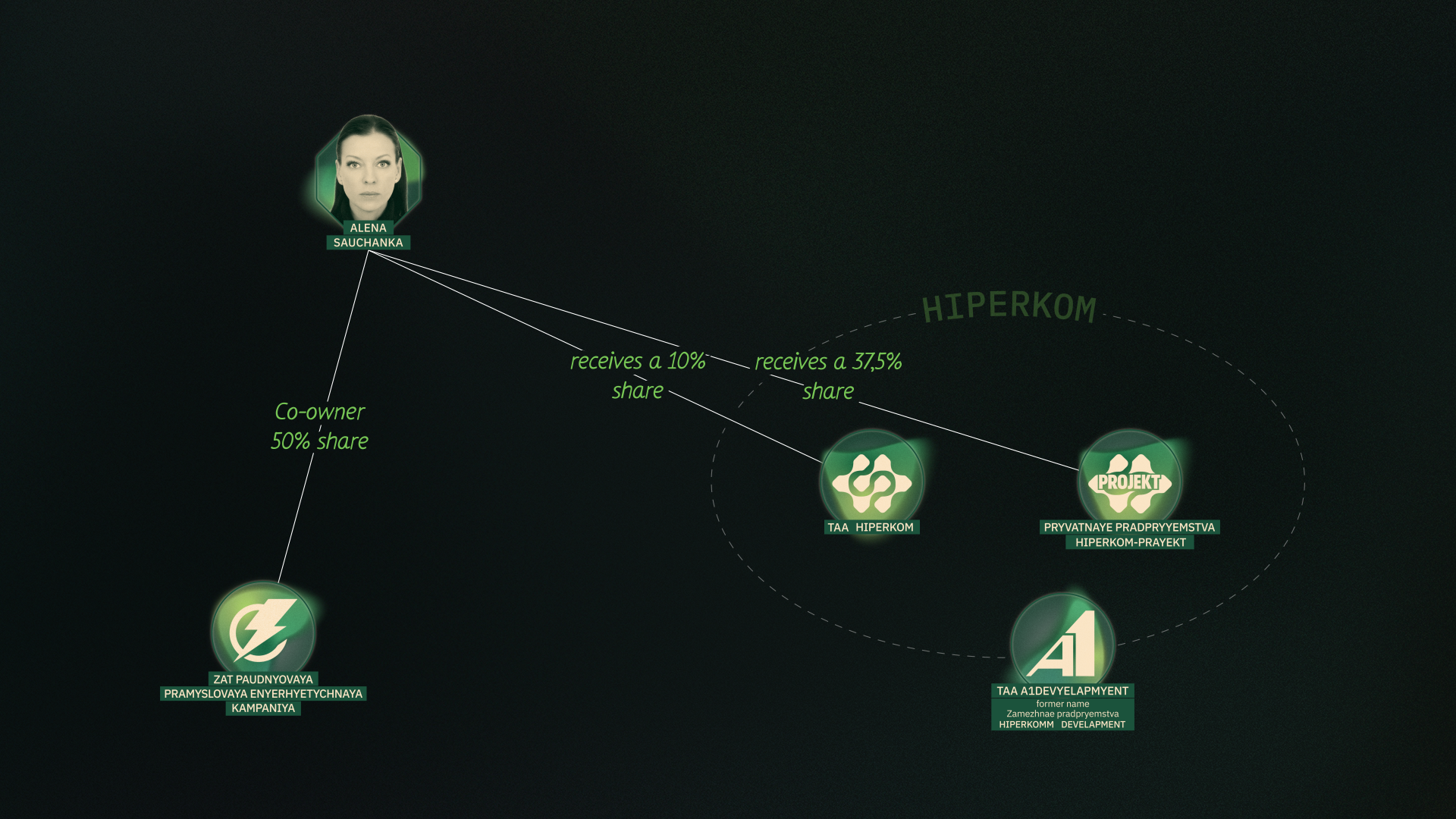
By that time, another company with the word “Hiperkomm” in its name had completed the construction of the large Niamiha City business center in central Minsk. At various times, this building housed the offices of GardServis, Brandshandel, and Hlobalkastam. The BIC has linked these companies to Viktar Sheiman’s entourage in other investigations. Alena Sauchanka also acquired two commercial premises there with a total area of about 370 sq. m.
Thus, in less than three years, a woman who had only previously worked as a secretary became a co-owner of several companies and acquired valuable commercial real estate in downtown Minsk. Although the BIC did not find documents that directly explain why the shares in these companies were transferred to Sauchanka, investigators from the Ministry of Internal Affairs had become interested in this issue by 2008.
The state comes looking for answers
The Ministry of Internal Affairs initiated two criminal cases at once. The first concerned her use of what investigators said was a forged diploma when she was hired by MDSZ and Hiperkom. The second case involved the allocation of four land plots in the village of Tarasava, near Minsk, to Alena Sauchanka and the head of the Zhdanovichy Trading House without an auction. Later, the court found Valery Maskaliou, the chairman of the Zhdanovichy Rural Council, guilty of illegally registering these plots. The verdict stated that Sauchanka was not entitled to receive land at the standard price without an auction. [*]
Viachaslau Dudkin, the head of the anti-corruption department of the Ministry of Internal Affairs, led the investigation. Following his forced departure from Belarus, he informed the Belaruski Partyzan outlet that investigators had attempted to determine the source of Sauchanka’s property and income during the inspection.
“To somehow justify her enormous income, Alena Sauchanka gave us a pile of written acknowledgements confirming receipt of interest-free ‘loans’ and large cash gifts from foreigners, including people living in South America. It turned out that she received such ‘gifts’ worth at least $50,000 every month. Ms Sauchanka was unable to explain the ‘logic’ behind how a young woman as fortunate as her came to receive substantial amounts of money every month without any apparent explanation," Dudkin recounted.
The former Ministry of Internal Affairs employee also said that Sauchanka admitted to using a fake diploma. According to him, the verification of her income was stopped after Viktar Sheiman intervened and convinced Aleksandr Lukashenko:
“I don’t know exactly what arguments Sheiman gave. These people have their own personal relationships. After that, we received an unambiguous instruction from the president: stop the inquiry and lose the files.”
The BIC could not find independent confirmation of these words. However, it is known that the criminal case regarding the fake diploma was closed and that the illegally transferred plots of land remained under the control of Alena Sauchanka, even though the chairman of the rural council was sentenced to four years in a penal colony under an enhanced-security regime for allocating the plots.
Sheiman’s neighbor
The criminal case did not affect Alena Sauchanka’s financial or property status. By the time the Interior Ministry took an interest in her assets, she already owned several properties.
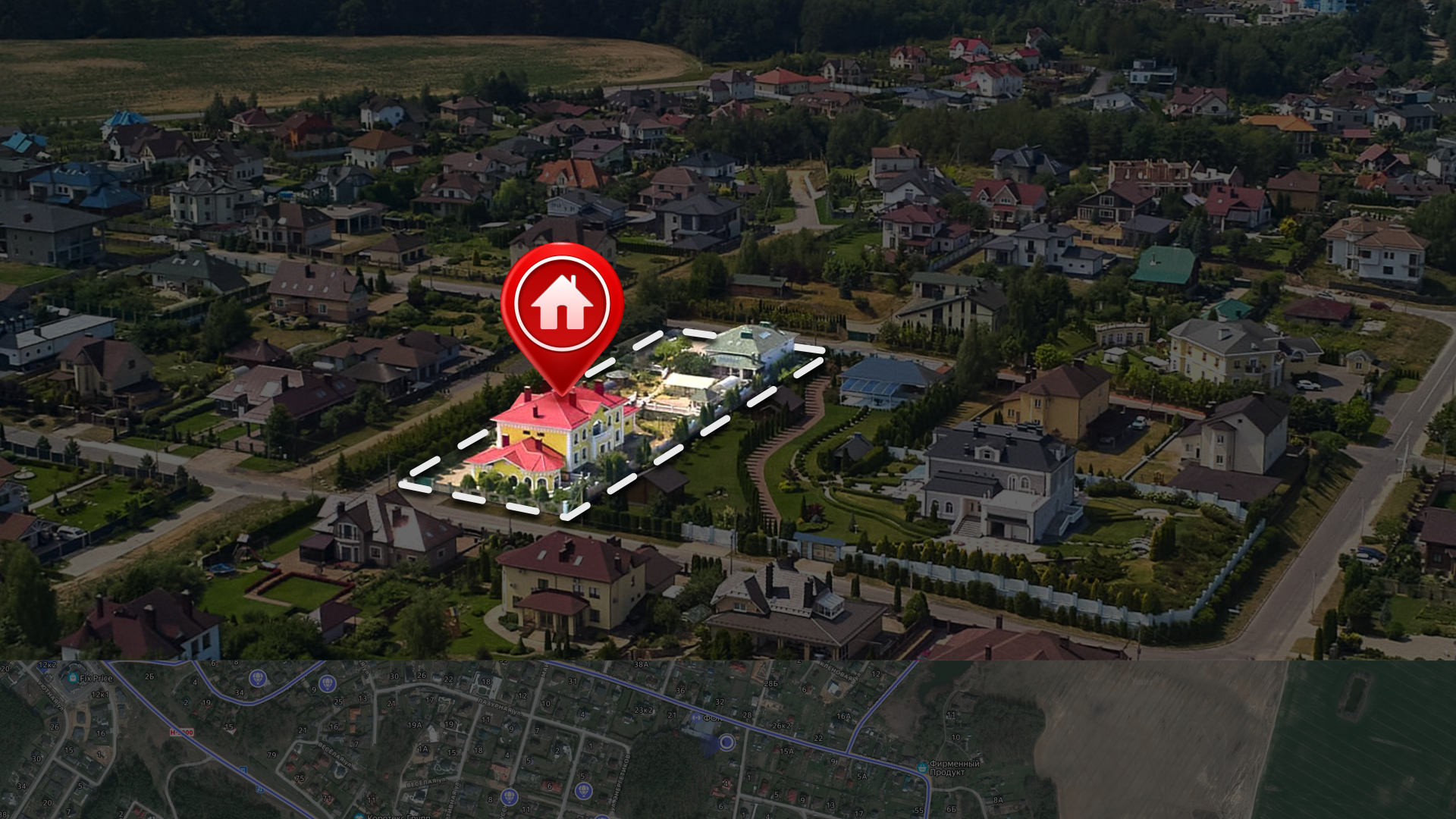
As of 2006, Sauchanka already owned a house and a plot of land in Raubichy. BIC found no information that would allow us to determine what later happened to the property or assess its value. That same year, Sauchanka acquired two adjacent plots in Tarasava that later appeared in an investigation by the Ministry of Internal Affairs. A villa of about 700 sq. m and a separate building of about 250 sq. m were constructed on the two plots, which had a combined area of about 35 ares. The BIC could not find comparable properties on the market to estimate the value of the complex. For comparison, a house next door that is about one-third the size and sits on a one-third-sized plot was estimated at 1.6 million Belarusian rubles (about $550,000).
During her employment at Hiperkom, Sauchanka acquired ownership of two premises totaling about 370 sq. m in the Niamiha City business center. [*] [*] Renting out such spaces can generate about 15,000–20,000 rubles ($5,200–$6,900) per month, and selling them could generate more than 2,000,000 rubles ($700,000).
A 100k per month
By March 2012, Sauchanka had pulled out of all Minsk companies. That same year, she made her last trip with Viktar Sheiman that the BIC was able to confirm — a visit to the United Arab Emirates. Later records place Hanna Pushkarova alongside Lukashenko’s close ally. She is believed to be his wife, and they have a son together, Mikhail. The circumstances and timing of Sheiman’s relationship with Alena Sauchanka ending are unknown. It is also unclear whether Sauchanka’s withdrawal from the companies was related to changes in her personal life.
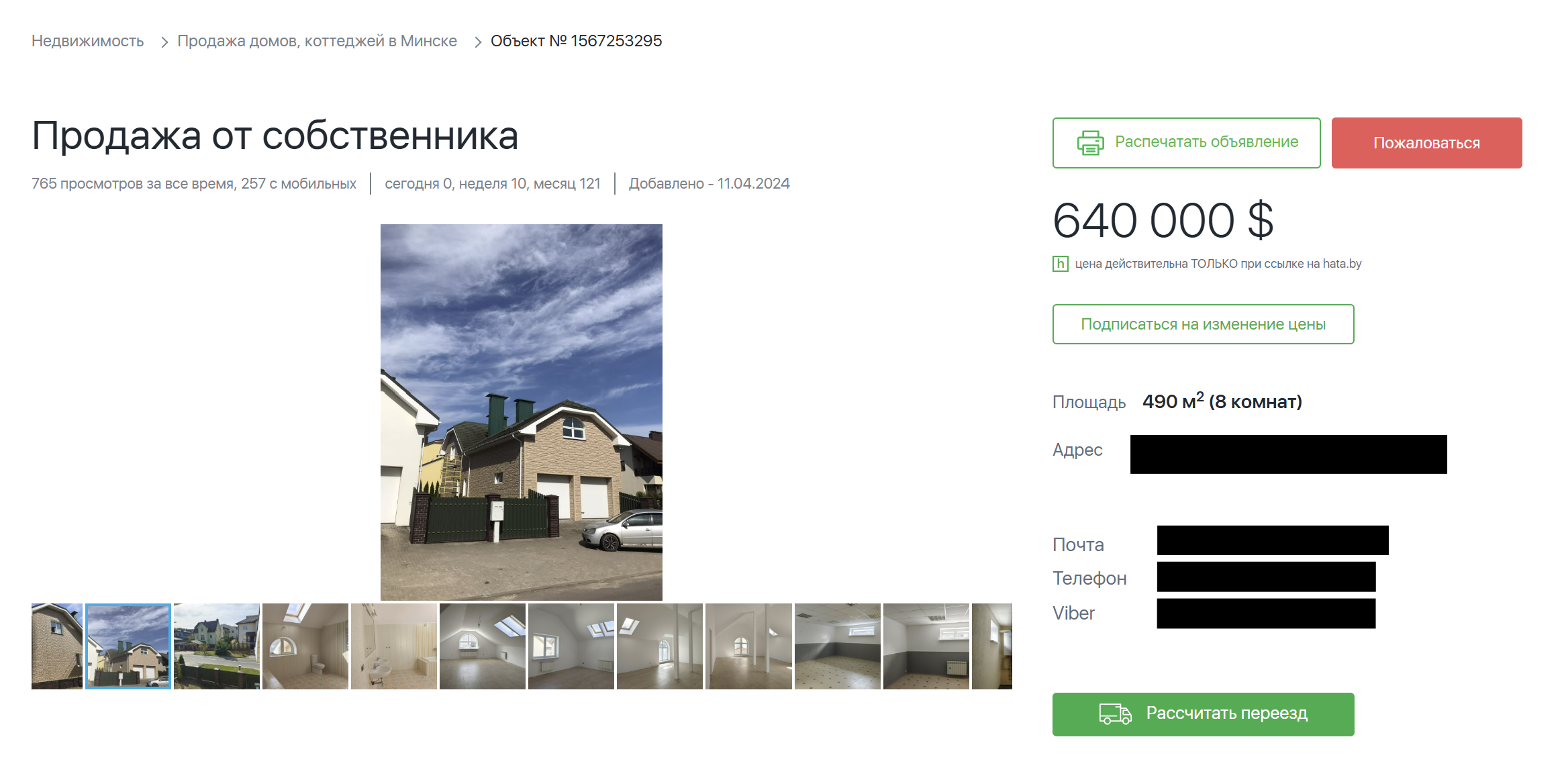
However, after 2012, her assets continued to grow. In 2013, an unknown person gifted Sauchanka two similar villas, each measuring about 450 sq. m. in Vialikaya Sliapianka, an area near the National Library known as the “Rublevka of Minsk”. [*] [*] At the time of publication, one of these houses was listed for sale for $640,000.
Between 2015 and 2016, Sauchanka purchased two additional retail spaces in different Minsk urban districts. Their potential rental income could be around 12,000 rubles ($4,150) per month.
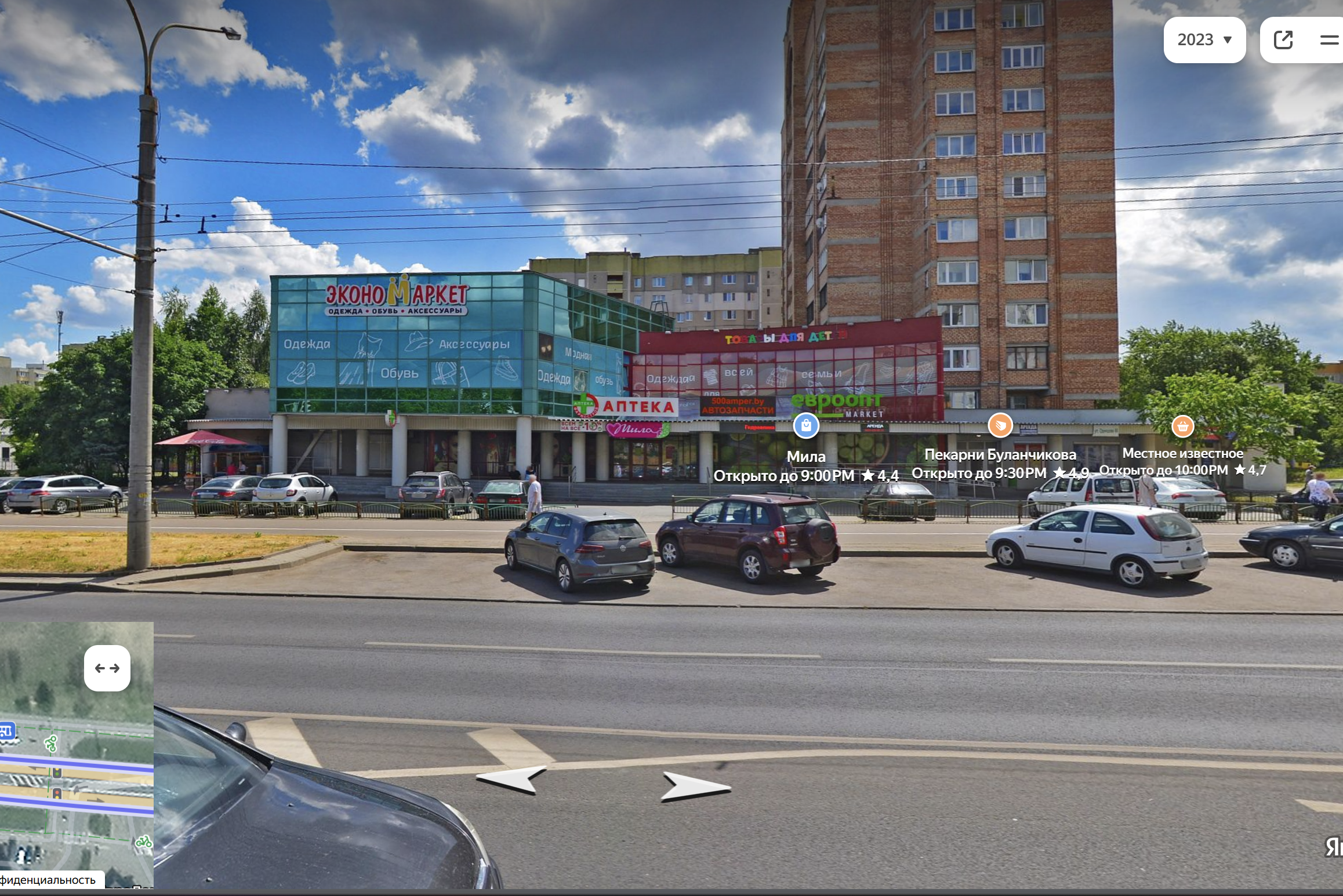
In 2019, she became the sole owner of Kuvyeradzyeu, a company that owns a shopping center measuring more than 1,500 sq. m in Adzintsova Street in the capital. This property has the potential to generate approximately 65,000 rubles ($22,500) per month in rental income. These assets, together with the premises in Niamiha City and other identified commercial real estate, can generate about 100,000 rubles ($33,500) per month.
Information regarding the organizations referenced in the investigation
In this article, Mizhrehiyanalny Drabilna-Sartavalny Zavod (MDSZ) refers toTAA Mizhrehiyanalny drabilna-sartavalny zavod, abbreviated company name: MDSZ, registered in Belarus (identification number: 690277735).
In this article, Granit refers to RUVP Granit, registered in Belarus (identification number: 200161167).
In this article, GardServis refers to TAA GardServis, registered in Belarus (identification number: 193344802).
In this article, Paudnyovaya pramyslovaya enyerhyetychnaya kampaniya refers to ZAT Paudnyovaya pramyslovaya enyerhyetychnaya kampaniya, registered in Belarus (identification number: 190736127).
In this article, Hiperkom refers to TAA Hiperkom, registered in Belarus (identification number: 190555812).
In this article, Hiperkom-prayekt refers to Pryvatnaye pradpryyemstva Hiperkom-prayekt, registered in Belarus (identification number: 191084824).
In this article, Brandshandel refers to Brandshandel LLC, registered in Belarus (identification number: 193674952).
In this article, Hlobalkastam refers to TAA Hlobalkastam, registered in Belarus (identification number: 192532549).
In this article, Kuvyeradzyeu refers to TAA Kuvyeradzyeu, registered in Belarus (identification number: 193356253).
In this article, President Hotel refers to Republican unitary enterprise President-Hotel, registered in Belarus (identification number: 192750936).
Sauchanka currently lives in another large residential complex located in the village of Shchomyslitsa near Minsk. The house sits on a half-hectare plot of land with an artificial pond and a bridge.
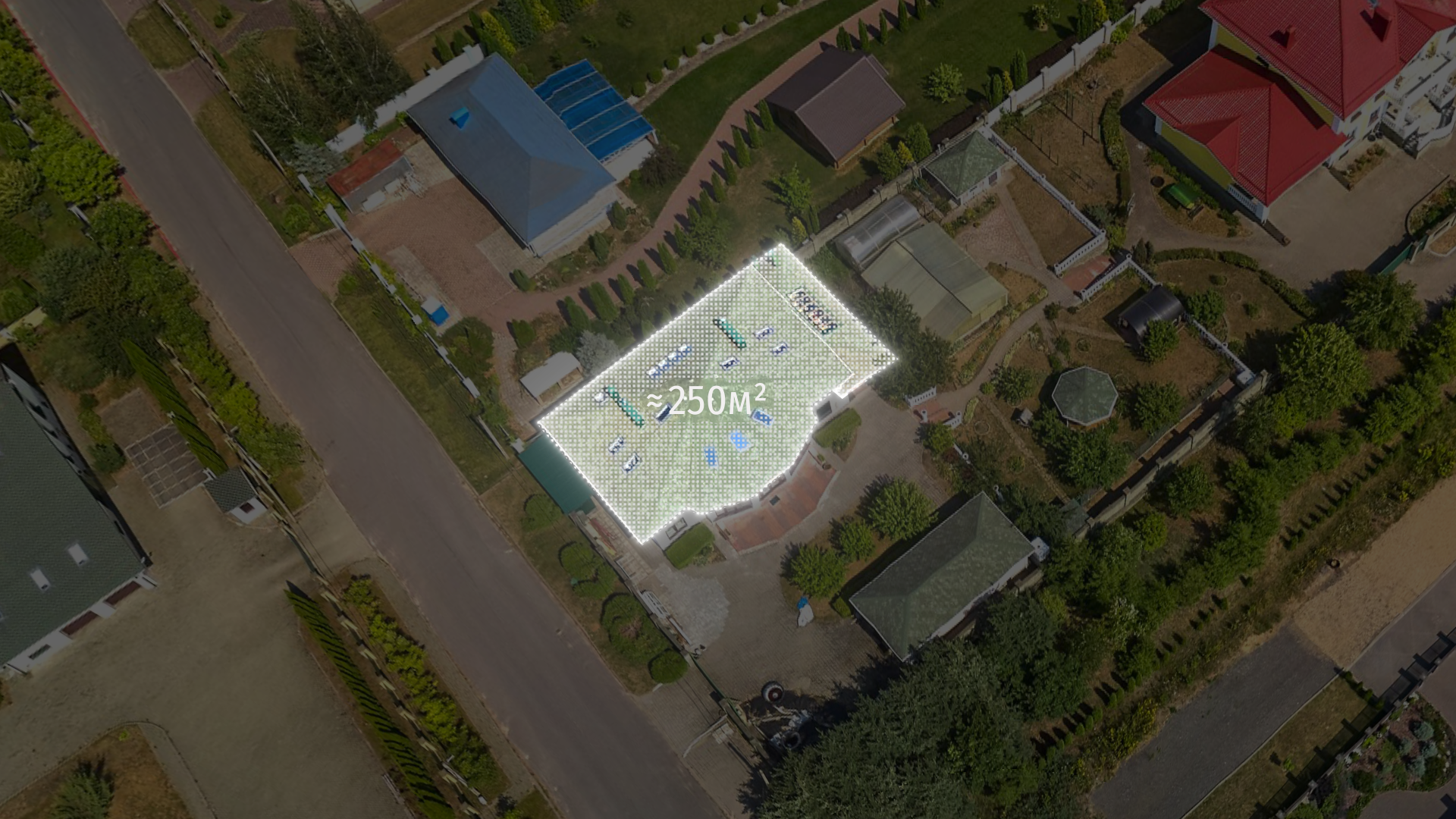
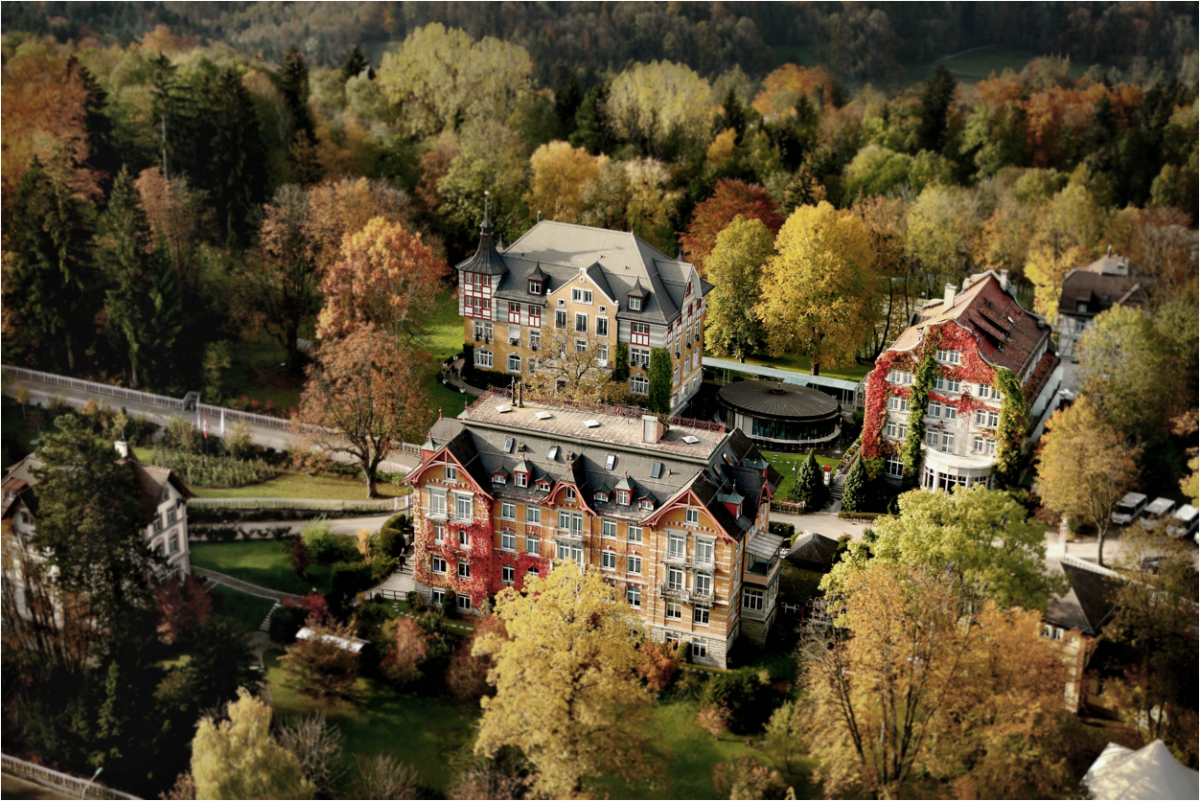
Taken together, these assets illustrate not only the scale of the family’s real estate holdings but also its spending power. For instance, one of the expenses is the education of Alena Sauchanka’s son, Uladzimir. From 2017 to 2021, he attended the Swiss Institut auf dem Rosenberg, [*] widely considered the world’s most expensive private school. In 2025, the cost of one year of study was $215,000. In other words, excluding additional costs, the total cost of studying for four years could be about $800,000.
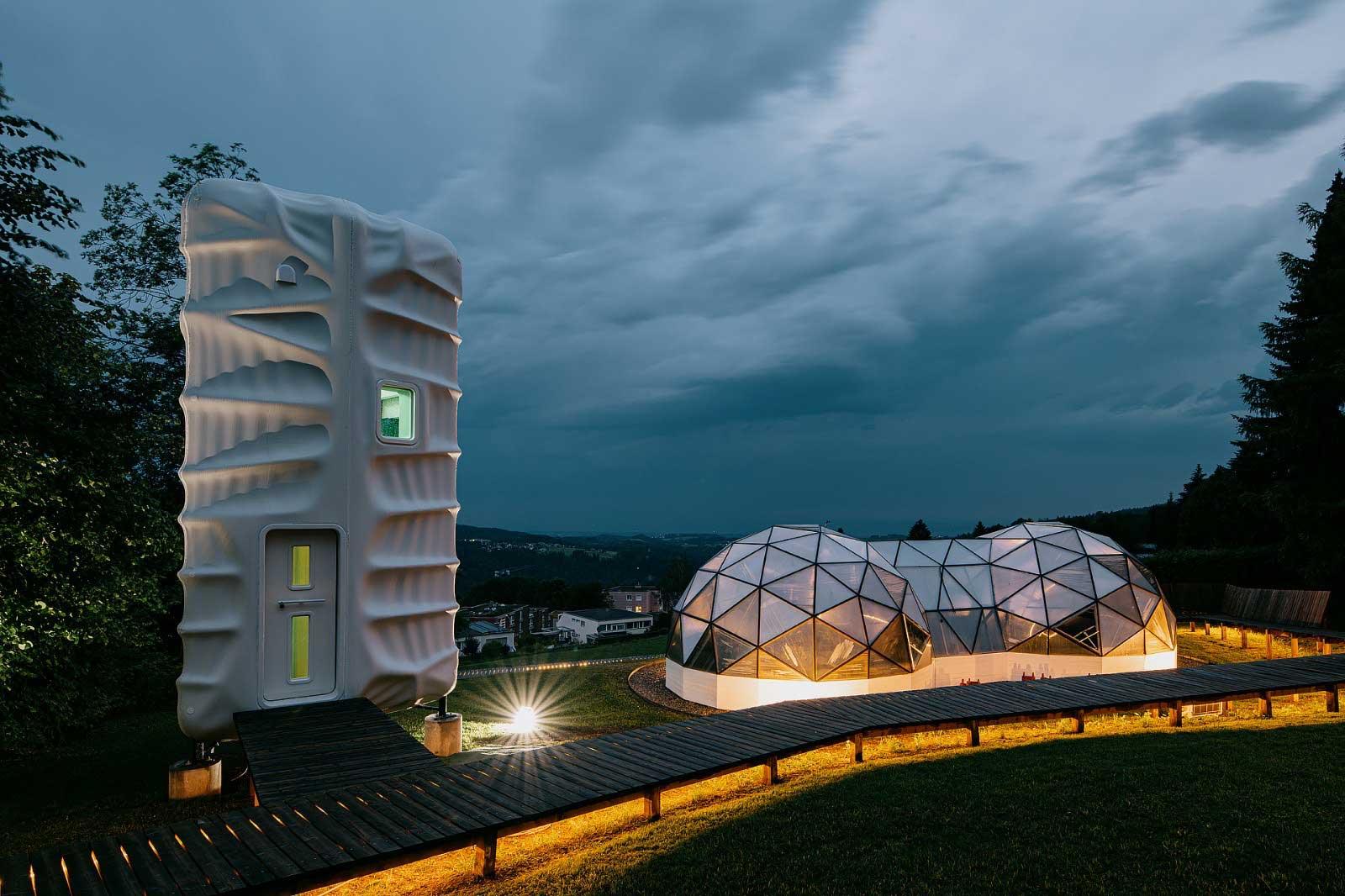
It is unclear who paid for Uladzimir’s education: his mother or his presumed father, Viktar Sheiman. Available documents indicate that he maintained contacts with Uladzimir Sauchanka during and after his studies in Switzerland.
In June 2022, Uladzimir arrived in Abkhazia on the same days that Viktar Sheiman was there on official business. A few days later, Sauchanka left Abkhazia in a car with diplomatic license plates. In the car with him were the driver of the Abkhazian Ministry of Foreign Affairs and two Belarusians: Aliaksei Padamatska, the director of the President Hotel in Minsk, and Aleh Sakalou, an employee of the GardServis company. Sakalou is the same person whose 2022 COVID-19 test result from early 2022 was recorded in a clinic’s database alongside those of Uladzimir Sauchanka, Viktar Sheiman, Hanna, and Mikhail Pushkarou.
The trip occurred when businesses associated with Sheiman’s entourage were working on projects along the Black Sea coast of Abkhazia. Three months after Sheiman’s visit, Aleksandr Lukashenko arrived there. Later, a company registered under the name of his former security service employee received 20 hectares of land on the coast from the local authorities. The BIC reported on this in detail in one of its previous investigations.
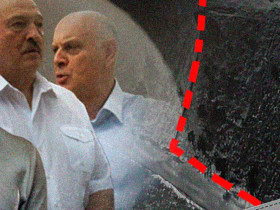
The company to which the unrecognised republic transferred land on the Black Sea coast is linked to Viktar Sheiman.
Sauchanka’s comment
The BIC contacted Alena Sauchanka with questions about the origin of her property, how she obtained shares in companies, her connections with Viktar Sheiman, and the documents that journalists studied during the investigation. The woman initially confirmed her identity and listened as the journalist explained the substance of the investigation. However, about 40 seconds in, after the journalist moved on to questions, the woman said he had dialed the wrong number and interrupted the conversation. When the journalist called her second number, the woman insisted again that there had been a mistake.
“Am I speaking to Alena Sauchanka?”
“You have the wrong number. How can I help you?”
“How can you help? Do you know her?”
“Maybe.”
“How can I contact her, please?”
“No idea. If she didn’t leave you her number, you can’t.”
The other people involved in the investigation either did not answer their phones or declined to comment. Written requests from the BIC also remained unanswered.
This story is dedicated to Pavel Sheremet, the founder of Belaruski Partyzan, whose work formed the basis of the investigation. July 20, 2026 marked the 10th anniversary of his murder.



![[*]](/storage/page_blocks/July2026/_1_02.png)
![[*]](/storage/page_blocks/July2026/_1_12.png)
![[*]](/storage/page_blocks/July2026/_2_12.png)
![[*]](/storage/page_blocks/July2026/_3_12.png)
![[*]](/storage/page_blocks/July2026/_4_12.png)
![[*]](/storage/page_blocks/July2026/_5_11.png)
![[*]](/storage/page_blocks/July2026/_6_12.png)
![[*]](/storage/page_blocks/July2026/Скрин_7_1.png)
![[*]](/storage/page_blocks/July2026/Скрин_8_1.png)
![[*]](/storage/page_blocks/July2026/_92.png)
![[*]](/storage/page_blocks/July2026/_10_12.png)
![[*]](/storage/page_blocks/July2026/_10_22.png)
![[*]](/storage/page_blocks/July2026/_11_1 (1)2.png)
![[*]](/storage/page_blocks/July2026/_11_2 (1)2.png)
![[*]](/storage/page_blocks/July2026/_131.png)